Why January to March Is One of the Most Spectacular Times to Visit Tanzania
By Warren Christopher | I Dream of Africa Safaris
Every year, something extraordinary happens across the endless plains of Tanzania's southern Serengeti. As seasonal rains transform the landscape into a beautiful sea of green, hundreds of thousands of wildebeest gather to give birth, bringing new life to one of Africa's most remarkable ecosystems.
Tiny calves take their first steps beside their mothers, thousands of wildebeest stretch across the horizon, and predators carefully follow the movements of the herds.
This is the Serengeti calving season, one of the most fascinating chapters of the Great Wildebeest Migration.
While many travelers dream of witnessing the dramatic Mara River crossings, the calving season offers an entirely different kind of wildlife spectacle. It is a time of birth, survival, remarkable animal behavior, and unforgettable encounters with nature.
For anyone planning a Tanzania safari between January and March 2027, the southern Serengeti and Ndutu region deserve special consideration.
At I Dream of Africa Safaris, we believe that understanding when and where to travel makes an enormous difference to your safari experience. As a family-owned Tanzanian safari company based in Arusha, we take great pleasure in sharing our knowledge of the country's wildlife, landscapes, and seasonal changes.
Here is everything you need to know about experiencing the Serengeti calving season in 2027.
What Is the Serengeti Calving Season?
The Serengeti calving season is part of the Great Wildebeest Migration, the extraordinary annual movement of wildebeest, zebras, and other grazing animals through the greater Serengeti–Mara ecosystem.
Unlike a journey that follows a fixed calendar, the migration is driven mainly by rainfall, fresh grazing, and the availability of water.
During the early months of the year, vast herds are often concentrated across the southern Serengeti ecosystem, including the short-grass plains of the Ngorongoro Conservation Area around Ndutu.
This is where one of nature's most remarkable events unfolds.
Over a relatively short period, hundreds of thousands of wildebeest calves may be born. During the busiest weeks, births can number in the thousands each day.
Imagine looking across an enormous open plain and seeing wildebeest mothers surrounded by their newborn calves, some only minutes or hours old.
Within a remarkably short time after birth, a healthy wildebeest calf attempts to stand and walk. This ability is essential because the herds must remain mobile in an environment shared with numerous predators.
For safari travelers, witnessing these early moments of life can be an incredibly moving experience.
But the calving season is not simply about newborn animals. It is also about the relationships between predators and prey, the renewal of the grasslands, and the extraordinary balance of the Serengeti ecosystem.
Why Do Wildebeest Give Birth in the Southern Serengeti?
One of the most fascinating questions about the Great Migration is why so many wildebeest return to the southern plains to give birth.
The answer begins with the soil.
The southern Serengeti and surrounding Ndutu plains have been influenced by ancient volcanic activity. Over thousands of years, this has contributed to mineral-rich soils that support highly nutritious grasses when seasonal rains arrive.
For pregnant wildebeest and nursing mothers, these grasses provide valuable nourishment.
The region's vast, open plains also offer relatively good visibility, allowing herds to detect approaching threats.
However, even with thousands of animals gathered together, the plains are far from danger-free.
Lions, cheetahs, spotted hyenas, and other predators are naturally drawn to areas where prey is abundant.
This creates an extraordinary concentration of wildlife activity.
The calving season beautifully demonstrates how rainfall, soil, vegetation, herbivores, and predators are connected.
It is one of the reasons the Serengeti is much more than a destination for seeing animals. It is a living ecosystem, constantly changing with the seasons.
When Is the Best Time to See the Serengeti Calving Season in 2027?
Although the calving season generally extends from January into March, each month can provide a different wildlife experience.
The exact timing depends on rainfall and the movement of the migration herds, so no particular date can guarantee sightings.
January: The Beginning of the Calving Season
January is often a beautiful month to explore the southern Serengeti.
As seasonal rains encourage the growth of fresh grass, migrating wildebeest and zebras may gather across the southern plains.
Some females may already be giving birth, while others prepare for the busiest part of the calving period.
The landscape can be particularly attractive during this time, with green grasslands, dramatic clouds, and excellent photographic opportunities.
Travelers visiting in January may enjoy:
- Large migrating herds of wildebeest and zebras
- Early calving activity
- Lions, cheetahs, and spotted hyenas
- Beautiful green landscapes
- Excellent birdwatching opportunities
- Fascinating interactions between different wildlife species
January can be an excellent choice for visitors who appreciate landscape photography and want to experience the early stages of the calving season.
February: The Heart of the Calving Season
February is generally considered one of the best months to experience wildebeest calving in the southern Serengeti ecosystem.
During a typical season, enormous numbers of wildebeest gather on the short-grass plains, and births become concentrated into a relatively short period.
For wildlife enthusiasts, the experience can be extraordinary.
Newborn calves can be seen following their mothers, while huge herds graze across the plains.
The abundance of young animals also creates opportunities for predators.
Lions may patrol the grasslands, cheetahs scan the horizon for potential prey, and spotted hyenas move through the landscape.
Some encounters are peaceful, while others reveal the challenges of survival in the wild.
For travelers particularly interested in newborn wildebeest, predator behavior, and wildlife photography, February is often the first month we suggest considering.
However, because the timing is controlled by nature, even February cannot guarantee a particular wildlife event.
March: Growing Calves and Changing Herd Movements
March can still provide wonderful wildlife-viewing opportunities.
Many calves born earlier in the season are now stronger and more capable of keeping pace with the herds.
Depending on rainfall and grazing conditions, wildebeest may continue occupying parts of the southern plains or gradually begin moving toward other regions.
Predator activity can remain rewarding, and the green landscapes provide beautiful photographic backgrounds.
As the rainy season progresses, some roads may become muddy, and conditions can be more challenging.
This is where experienced local guiding and well-planned accommodation choices become especially valuable.
For guests considering March, we pay particular attention to seasonal wildlife movements and the most practical areas for game viewing.
Ndutu: One of the Best Places to Experience Calving Season
When discussing the Serengeti calving season, one destination deserves special attention: Ndutu.
Located within the Ngorongoro Conservation Area, near the southern boundary of Serengeti National Park, Ndutu is one of Tanzania's most rewarding seasonal wildlife destinations.
The region is characterized by sweeping grasslands, acacia woodlands, seasonal water sources, and the famous Lake Ndutu.
During favorable conditions between January and March, the surrounding plains become an important gathering area for migratory wildebeest and zebras.
What makes Ndutu particularly special is the combination of open landscapes, seasonal migration herds, and resident predators.
It is possible to spend hours observing animal behavior, from mothers caring for their newborn calves to cheetahs surveying the grasslands.
Ndutu is also rewarding for birdwatching, photography, and observing other wildlife species that inhabit the region throughout the year.
An important point for first-time visitors is that Ndutu and Central Serengeti are different safari locations.
Although both belong to the broader Serengeti ecosystem, they are separated by significant driving distances.
During the calving season, staying close to Ndutu can provide more convenient access to the southern short-grass plains than staying exclusively in Central Serengeti.
Choosing the right location helps reduce unnecessary travel and creates more time for meaningful wildlife encounters.
Why Predator Activity Is So Fascinating During Calving Season
The Serengeti is famous for its large predators, and the calving season provides an especially interesting opportunity to observe their behavior.
When immense numbers of herbivores gather in one region, predators may take advantage of the increased availability of prey.
Lions
Lions are among the most impressive animals visitors hope to encounter on safari.
During the calving season, prides may be seen resting near large herds, watching their surroundings, or moving across the plains.
A lion sighting becomes even more fascinating when you understand the pride's social structure, hunting strategies, and interactions.
Cheetahs
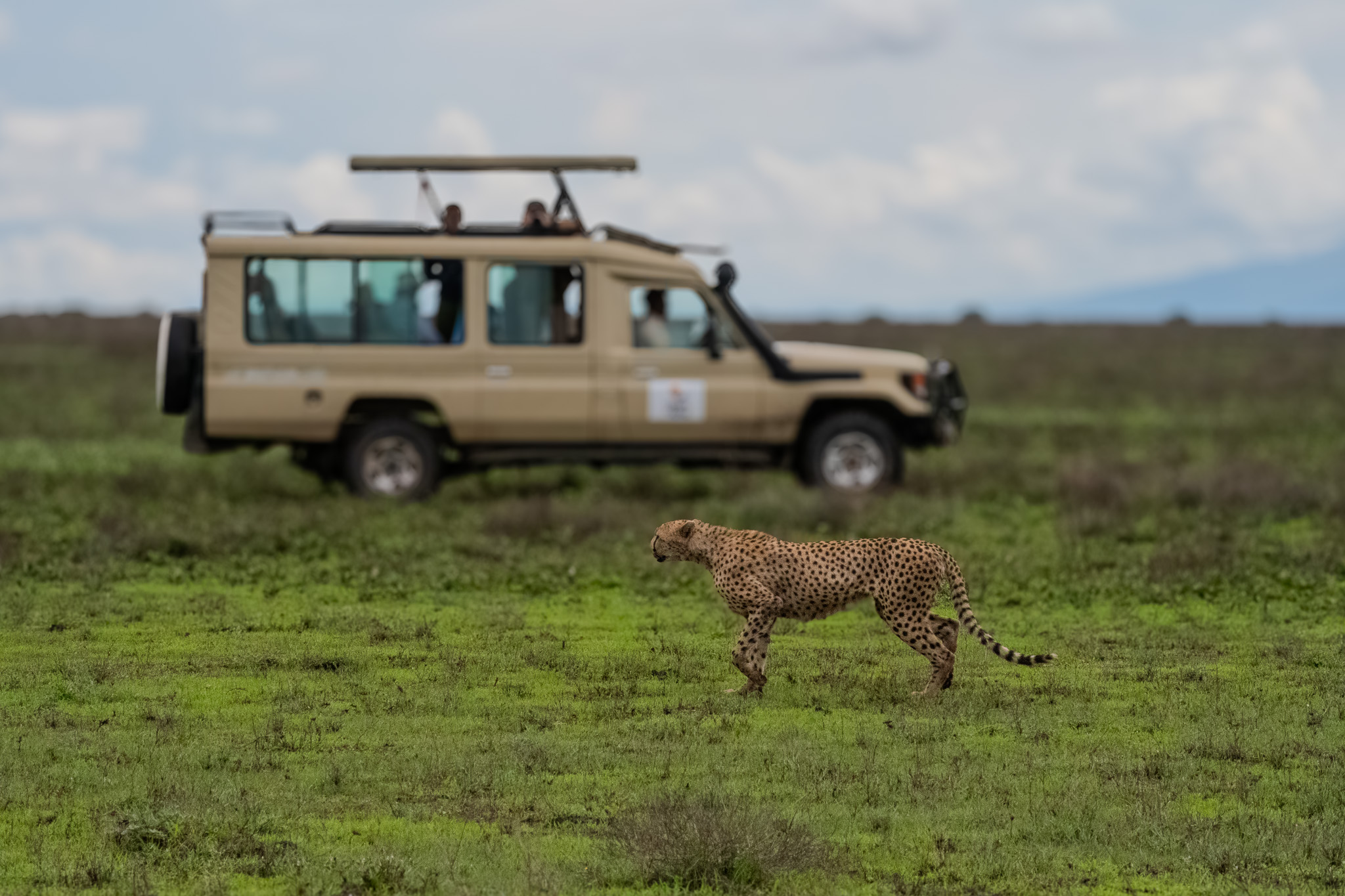
The open plains of Ndutu offer suitable habitats for cheetahs.
These remarkable cats rely on speed, excellent eyesight, and carefully timed hunting opportunities.
Watching a cheetah survey the grasslands from a raised position can be as captivating as seeing one in motion.
The calving season can provide opportunities to observe their hunting behavior, although successful hunts are never guaranteed.
Spotted Hyenas
Often misunderstood, spotted hyenas are highly intelligent and effective predators.
They play an important role in the Serengeti ecosystem as both hunters and scavengers.
During calving season, their interactions with wildebeest herds can be particularly fascinating.
Leopards
Leopards inhabit suitable wooded and riverine environments throughout parts of the greater Serengeti ecosystem.
Because they are solitary and secretive, finding one can be a memorable safari highlight.
For travelers especially interested in big cats, combining Ndutu with other wildlife-rich areas can provide an exciting variety of habitats.
It is important to remember that wildlife behavior cannot be controlled.
A responsible safari guide respects animal space, follows conservation regulations, and allows encounters to unfold naturally.
A Paradise for Wildlife Photographers
The Serengeti calving season is one of the most rewarding periods for wildlife photography.
The combination of green landscapes, abundant wildlife, newborn animals, and dramatic skies creates remarkable opportunities for photographers of different experience levels.
Unlike the dry season, when grasslands often appear golden or brown, the green season can transform the southern plains into a lush, vibrant landscape.
The contrast between animals and their surroundings can be beautiful.
Photography opportunities may include newborn wildebeest taking their first steps, zebras grazing in enormous herds, cheetahs scanning the plains, and lions interacting with members of their pride.
For photographers interested in animal behavior, spending time quietly observing a particular sighting can be especially rewarding.
Sometimes the most memorable photograph is not of dramatic action, but of a tender moment between a mother and her calf.
At I Dream of Africa Safaris, our private Toyota Land Cruiser safari vehicles are equipped with pop-up roofs that provide excellent wildlife-viewing and photography opportunities.
Because our safaris are private, guests have the flexibility to spend more time at sightings that interest them, within park regulations and operating hours.
We believe that patience, respectful wildlife viewing, and an experienced guide can make a tremendous difference to the photography experience.
Can You Enjoy Luxury Accommodation During the Calving Season?
Absolutely.
An adventure in the African wilderness does not mean giving up comfort.
The Ndutu and southern Serengeti regions offer different accommodation options, ranging from traditional safari lodges to comfortable and luxurious tented camps.
Many travelers are surprised by the level of comfort available in a wilderness setting.
Depending on the property, accommodations may feature spacious rooms or safari tents, comfortable beds, private bathrooms, hot showers, attentive service, and beautifully prepared meals.
The experience of staying in a tented camp can be especially memorable.
Imagine returning from an exciting afternoon game drive, enjoying a delicious dinner, and falling asleep to the distant sounds of the African wilderness.
For guests planning a luxury safari, we recommend paying attention to two things: accommodation quality and location.
A beautiful camp may not be the best choice if it requires several hours of driving to reach the wildlife areas you most want to explore.
Properties such as Lake Masek Tented Lodge and Ndutu Safari Lodge are among the options that can be considered for a stay in the Ndutu region.
There are also seasonal tented camps that may provide attractive alternatives, depending on their operating dates and availability.
At I Dream of Africa Safaris, we help guests select accommodation that suits their preferences, travel dates, and desired level of comfort.
Our aim is to balance a memorable wilderness experience with carefully considered hospitality.
How Long Should You Spend in Ndutu?
One of our strongest recommendations is to avoid rushing through the calving region.
Wildlife is unpredictable, and each day presents different opportunities.
You may enjoy a wonderful morning watching newborn wildebeest, followed by an afternoon observing cheetahs or lions.
The following day may reveal entirely different behavior.
For travelers whose main interest is the calving season, spending at least two or three nights in Ndutu can be worthwhile.
Passionate wildlife enthusiasts and photographers may prefer three or four nights or longer.
Additional time allows you to explore different areas, observe wildlife more patiently, and adapt to changing conditions.
It also reduces the pressure of moving between lodges too frequently.
At I Dream of Africa Safaris, we believe a safari should be designed around meaningful experiences rather than the number of destinations visited.
After all, some of the best memories are created when you slow down and allow nature to surprise you.
What Is the Weather Like During the Calving Season?
January through March is part of the generally warmer and greener period in the southern Serengeti ecosystem.
Rainfall can be unpredictable, with periods of sunshine interrupted by passing showers.
The weather often contributes to the beauty of the landscape, creating lush grasslands and dramatic skies.
However, it can also affect driving conditions.
Some tracks may become muddy or temporarily difficult to navigate after heavy rain.
Temperatures may feel warm during the day, while early mornings and evenings can be cooler.
We recommend packing light, comfortable clothing along with a few practical essentials:
- Neutral-colored safari clothing
- A light waterproof jacket
- A warm layer for early morning game drives
- Comfortable closed shoes
- Sunglasses and sunscreen
- A wide-brimmed hat
- Binoculars
- Camera equipment and spare batteries
- Insect repellent and personal medication
The most important thing is to pack for comfort and changing weather conditions.
Is the Calving Season Suitable for Families and Senior Travelers?
Yes. A Serengeti calving-season safari can be a rewarding experience for couples, families, and mature travelers.
Children may find the abundance of young animals particularly fascinating, while adults can appreciate the remarkable natural processes unfolding across the plains.
For older guests or travelers who prefer a relaxed pace, a private safari offers valuable flexibility.
Comfortable accommodation, carefully planned driving distances, and sufficient time in each destination can make the journey much more enjoyable.
We always recommend discussing individual travel preferences, mobility requirements, and any dietary needs before finalizing a safari.
The goal is to create an experience that feels comfortable, safe, and personally rewarding.
Calving Season vs. Mara River Crossings: Which Is Better?
This is one of the most common questions travelers ask when planning a Great Migration safari.
The truth is that both periods offer exceptional wildlife experiences.
They simply reveal different stages of the migration.
Calving season, generally January to March, is associated with newborn wildebeest, large herds on the southern plains, green landscapes, and predator activity.
The northern migration period, often July to October, offers opportunities to observe herds gathering near the Mara River, where dramatic crossings may take place.
However, river crossings are unpredictable and cannot be guaranteed on any particular day.
If your dream is to witness newborn animals and observe predators across beautiful open grasslands, the calving season may be particularly appealing.
If you are fascinated by large herds navigating river crossings, the northern Serengeti during the appropriate season may be a better choice.
Neither experience is automatically superior.
The best season depends on your personal interests and what you hope to experience in Tanzania.
Why an Experienced Local Safari Guide Makes the Difference
When planning a safari, travelers naturally spend time comparing destinations, accommodation, and travel dates.
However, one of the most important parts of the experience is often the person guiding you through the wilderness.
A knowledgeable safari guide does much more than drive between wildlife sightings.
Experienced guides understand animal behavior, recognize tracks and signs, interpret the surrounding environment, and help guests appreciate the remarkable relationships between different species.
During the calving season, this knowledge becomes particularly valuable.
Understanding seasonal movements, suitable wildlife habitats, and predator behavior can help create a more rewarding safari experience.
Our founder and lead guide, Christopher Samwel, has dedicated years of his life to exploring Tanzania's wildlife areas and sharing his knowledge with travelers.
As his son, I have grown up admiring his passion for wildlife and his commitment to creating meaningful safari experiences.
Today, we work together through I Dream of Africa Safaris, combining experienced guiding with personalized safari planning.
Our approach is simple: provide guests with the attention, flexibility, and genuine hospitality that make them feel welcome in our home country.
Why Choose a Private Safari for the Serengeti Calving Season?
A private safari is particularly valuable when wildlife behavior is unpredictable.
Rather than following a fixed group schedule, you can enjoy a more flexible experience with your own guide and safari vehicle.
If you want to spend longer photographing a cheetah, observing wildebeest calves, or simply enjoying the landscape, your guide can adapt the day accordingly.
Private safaris are also ideal for couples, families, honeymooners, and travelers celebrating special occasions.
You can choose a pace that suits you, with more opportunities to discuss wildlife, ask questions, and enjoy the journey.
At I Dream of Africa Safaris, we specialize exclusively in private safaris, using Toyota Land Cruiser 4×4 vehicles designed for wildlife viewing.
We believe the freedom to experience Tanzania at your own pace is one of the most valuable parts of a truly memorable safari.
Frequently Asked Questions About Serengeti Calving Season 2027
What is the best month to see wildebeest calving in Tanzania?
February is generally one of the strongest months for witnessing large numbers of newborn wildebeest. However, calving may occur throughout the broader January–March period, depending on rainfall and seasonal conditions.
Where does the Serengeti calving season take place?
The main calving activity usually takes place across the southern Serengeti ecosystem and the short-grass plains of the Ngorongoro Conservation Area, particularly around Ndutu.
Can I see the Great Migration in February 2027?
February is usually an excellent time to plan for the southern migration herds and calving activity. However, the exact location of the animals depends on rainfall and grazing conditions.
Is Ndutu part of Serengeti National Park?
Much of the Ndutu region, including Lake Ndutu, lies within the Ngorongoro Conservation Area, close to the boundary of Serengeti National Park. The two areas form part of the wider Serengeti ecosystem.
Is January too early for the calving season?
Not necessarily. Depending on rainfall, migration herds may already be present in the southern ecosystem, and calving may have begun. February is often more favorable for travelers specifically hoping to observe large numbers of newborn calves.
Can I still see wildebeest calving in March?
Calving activity and large herds may still be present during March, particularly earlier in the month. However, movements change according to seasonal conditions, and the main birthing period may already have passed in some years.
How many nights should I spend in Ndutu?
For guests focusing on calving season, we generally suggest at least two to three nights. Wildlife enthusiasts and photographers may benefit from staying longer.
Can I combine a calving safari with Ngorongoro Crater?
Absolutely. Ndutu and Ngorongoro Crater can be combined in a private Northern Tanzania safari, allowing visitors to experience different landscapes and wildlife habitats.
Is it possible to enjoy a luxury safari during calving season?
Yes. Comfortable lodges, upscale tented camps, and selected luxury accommodation options are available in the wider region. The most suitable property depends on your preferences, travel dates, and availability.
How far in advance should I book for February 2027?
We recommend making arrangements as early as possible, particularly if you have specific travel dates or preferred accommodation. Popular properties can have limited availability during sought-after wildlife periods.
Plan Your Serengeti Calving Season Safari With I Dream of Africa Safaris
There is something truly special about experiencing the Serengeti when the plains are filled with new life.
The sight of a newborn wildebeest taking its first steps, the excitement of watching a cheetah scan the grasslands, and the beauty of thousands of animals moving across an endless green landscape are memories that can remain with you for a lifetime.
The Serengeti calving season is a reminder that nature is constantly changing, and every safari offers something unique.
At I Dream of Africa Safaris, we would be delighted to help you experience this remarkable season.
As a family-owned safari company based in Arusha, Tanzania, we take pride in creating private, personalized journeys that combine experienced local guiding, carefully selected accommodation, and genuine hospitality.
Whether you are a passionate wildlife photographer, a couple planning a special adventure, or a family hoping to witness the wonders of Africa together, we can help you plan a safari that reflects your interests.
Explore our private Serengeti safari itineraries or contact us to start planning your 2027 calving-season adventure.
We look forward to welcoming you to Tanzania and sharing the extraordinary beauty of our country.
Karibu Tanzania!
Warren Christopher
Private Safaris. Expert Local Guiding. Unforgettable African Experiences.